Sports Marketing
The Manchester United Brand: How a Football Giant Stays Strong Despite Years of Poor Results
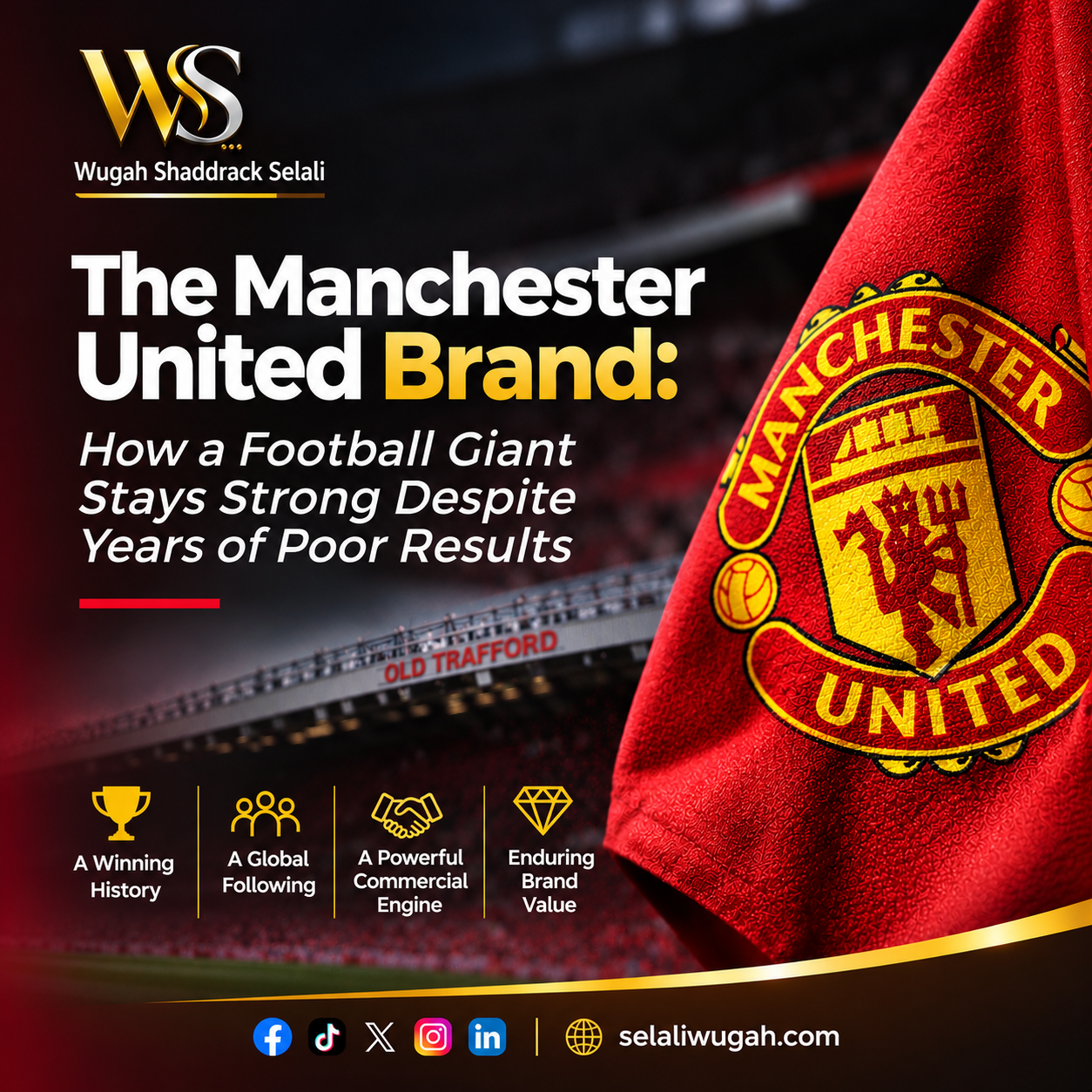
Manchester United presents one of the most interesting cases in modern sports branding. For a club that has endured years of inconsistent performances, managerial changes, disappointing league finishes and uncertainty both on and off the pitch, its global brand remains remarkably powerful. As a Manchester United supporter and someone who studies marketing and brand strategy, I find this particularly fascinating. It raises an important question: how can a football club continue to command such enormous attention, loyalty and commercial value when its sporting performances have fallen short of the standards associated with its name?
The answer lies in understanding that Manchester United is more than a football team. It is a global brand built over generations through sporting success, history, emotional connections, cultural relevance and a carefully developed commercial ecosystem. Its resilience is not simply a consequence of past trophies. It is the result of the relationships and meaning the club has created with millions of people around the world.
Manchester United was founded in 1878, and its history has become one of its strongest brand assets. The club's achievements, particularly during the era of Sir Alex Ferguson, helped establish an identity associated with excellence, ambition, resilience and winning. Thirteen Premier League titles, European triumphs and unforgettable moments created memories that extend far beyond the football pitch. For many supporters, Manchester United is connected to childhood experiences, family traditions, friendships and significant moments in their lives. These emotional associations do not disappear immediately because the team finishes outside the top positions in the league.
This is one of the most important principles in brand management: strong brands build meaning beyond the products or services they offer. Manchester United does not simply sell football matches. It represents a history, an identity and a sense of belonging. The red jersey, the club crest, Old Trafford and the familiar atmosphere surrounding matchdays have become powerful symbols recognised across different cultures and generations. Even people who do not follow the club closely understand what Manchester United represents in global football.
Its international following further strengthens this position. The club's 2026 annual filing reported approximately 297.7 million social media connections across its platforms and more than 360 official supporters' clubs in 92 countries. These figures illustrate the scale of its global reach. In countries such as Ghana, where supporters may never have visited Old Trafford, the connection to Manchester United can still be deeply personal. People follow the club, wear its jerseys, discuss its performances, purchase its merchandise and organise their social lives around its matches. Geography has not prevented the club from becoming part of people's everyday identities.
The strength of this connection is also reflected in the club's commercial activities. Manchester United has developed an extensive business structure around its identity, allowing it to generate revenue through sponsorships, merchandise, licensing, broadcasting and matchday experiences. Its brand is not dependent on the outcome of a single football match or even one season. It operates through a network of commercial relationships and global distribution channels that keep the club visible and relevant throughout the year. Sponsors are not simply investing in a football team; they are buying access to an established global audience, a recognised identity and the emotional connection millions of supporters have with the club.
The financial figures help explain this resilience. In the financial year ending June 2025, Manchester United generated £666.5 million in revenue, including £333.3 million from commercial activities and £160.3 million from matchdays. This was achieved in a season in which the men's team finished 15th in the Premier League and reached the Europa League final. The following financial year, ending June 2026, the club reported record revenue of £677.6 million, with £317.3 million from commercial activities, £206.8 million from broadcasting and £153.5 million from matchdays. These figures demonstrate the scale of the business beyond the team's immediate league position, although they should not be interpreted as evidence that sporting performance has no financial consequences.
In fact, the financial results reveal an important distinction. Manchester United's commercial revenue declined from £333.3 million in 2025 to £317.3 million in 2026, while matchday revenue also fell from £160.3 million to £153.5 million. Broadcasting revenue, however, increased to £206.8 million, partly reflecting the team's improved Premier League performance, finishing third in the 2025/26 season. This illustrates that the club's different revenue streams respond to different factors. Its global brand and commercial relationships provide a degree of stability, but sporting performance still matters. A strong brand can absorb some pressure from poor results, but it cannot permanently escape the consequences of underachievement.
Another important factor is the strength of Manchester United's supporter loyalty. In marketing, loyalty is often discussed in terms of repeat purchases, recommendations and continued preference for a particular brand. Football, however, offers a more complex relationship. Supporters do not always behave like ordinary consumers. They develop emotional attachments that can survive disappointment, frustration and prolonged periods without success. A Manchester United supporter may criticise the manager, question the players, challenge the ownership or complain about the club's direction, yet still wake up the following weekend ready to watch the next match. That relationship is built on more than satisfaction with the team's current performance. It is rooted in identity, belonging and personal history.
This emotional connection is a powerful competitive advantage, but it should never be mistaken for unlimited patience. Supporters may remain loyal while becoming increasingly dissatisfied with how the club is managed. They may continue buying merchandise and following matches while demanding better leadership, better recruitment and a clearer sporting direction. The distinction is important because brand loyalty does not mean customers will accept everything a brand does. Strong brands must continue earning the trust of the people who support them. Manchester United's global following gives it a considerable advantage, but that advantage must be protected through meaningful engagement and credible performance.
The club's ability to remain part of popular culture also contributes to its resilience. Manchester United is discussed not only when it wins trophies but also when it changes managers, signs players, loses important matches or faces controversy. Its size makes it a constant subject of conversation across traditional media and digital platforms. Every major development generates reactions, debates, commentary and content. In the digital age, attention is an important brand asset, and Manchester United has an enormous capacity to attract it. Its social media presence, official content platforms, international supporters' clubs and commercial partnerships help sustain this visibility. However, attention should not automatically be confused with positive brand sentiment. Being talked about is valuable, but the long-term objective must be to ensure that the conversation strengthens rather than damages the brand.
Brand valuation provides another indication of the club's enduring strength. Brand Finance's 2025 football ranking placed Manchester United's brand value at approximately €1.2 billion and awarded it an AAA+ brand strength rating, with a Brand Strength Index score of 93.2 out of 100. This is significant because brand strength considers more than what happens on the pitch. It reflects the wider reputation, familiarity, loyalty and commercial appeal that a club has built over time. The valuation does not suggest that Manchester United is immune to sporting decline. Rather, it demonstrates that its accumulated brand equity remains substantial despite the challenges it has experienced.
There is, however, a danger in relying too heavily on history. Past achievements may attract supporters, but they cannot indefinitely compensate for a lack of present-day ambition and progress. Younger supporters are growing up in an environment where football brands compete for attention with clubs that are winning trophies, producing exciting football and building strong digital communities. Manchester United cannot assume that the next generation will automatically inherit the same attachment simply because previous generations celebrated the club's success. Its history gives it an advantage, but its future depends on what it does with that advantage.
This is where the relationship between brand management and sporting performance becomes particularly important. A football club is not a conventional consumer brand that can separate its product entirely from its marketing. The football team is central to the brand promise. Supporters ultimately want to see a competitive team that reflects the ambition and identity associated with the club. Commercial partnerships, global campaigns, merchandise and digital engagement can strengthen the brand, but they cannot replace success on the pitch. The challenge for Manchester United is to ensure that its commercial strength supports its football ambitions rather than becoming a substitute for them.
For other football clubs, particularly those in emerging football markets such as Ghana, Manchester United offers an important lesson. Building a strong sports brand requires more than winning matches. Clubs must develop a recognisable identity, understand their supporters, create meaningful experiences, communicate consistently and establish commercial relationships that extend beyond matchdays. They must also invest in digital platforms, merchandise, community engagement and the overall supporter experience. Sporting success can accelerate brand growth, but a sustainable brand requires deliberate management and long-term investment.
Ultimately, Manchester United's story demonstrates that a football club can experience sporting difficulties without immediately losing its position as a global brand. Its history, international following, emotional connections, commercial infrastructure and cultural relevance have created a level of brand equity that cannot be erased by a few disappointing seasons. Yet resilience should not become an excuse for complacency. The club still has to deliver on the expectations created by its name.
As a supporter, I want Manchester United to return to competing consistently for the biggest honours in football. As a marketing professional, however, I recognise that the club's brand strength is a case study in the power of heritage, identity, emotional connection and commercial strategy. Manchester United may have experienced a decline in its dominance on the pitch, but its place in global football culture remains significant. The real challenge is not simply to preserve that position, but to ensure that the football being played once again reflects the strength of the brand.
A powerful brand can survive difficult seasons, but it must never become comfortable with underperformance.